the Weimar Years
Weimar culture is one of those rare moments where society felt like it’s both inventing the future and quietly falling apart at the same time. Born out of defeat in 1918 and the collapse of the German Empire, the new republic didn’t just change politics, it cracked open society. Old hierarchies weakened, censorship loosened, and suddenly a flood of new ideas: artistic, political, sexual, rushed in all at once. It was chaotic, electric, and deeply unstable.
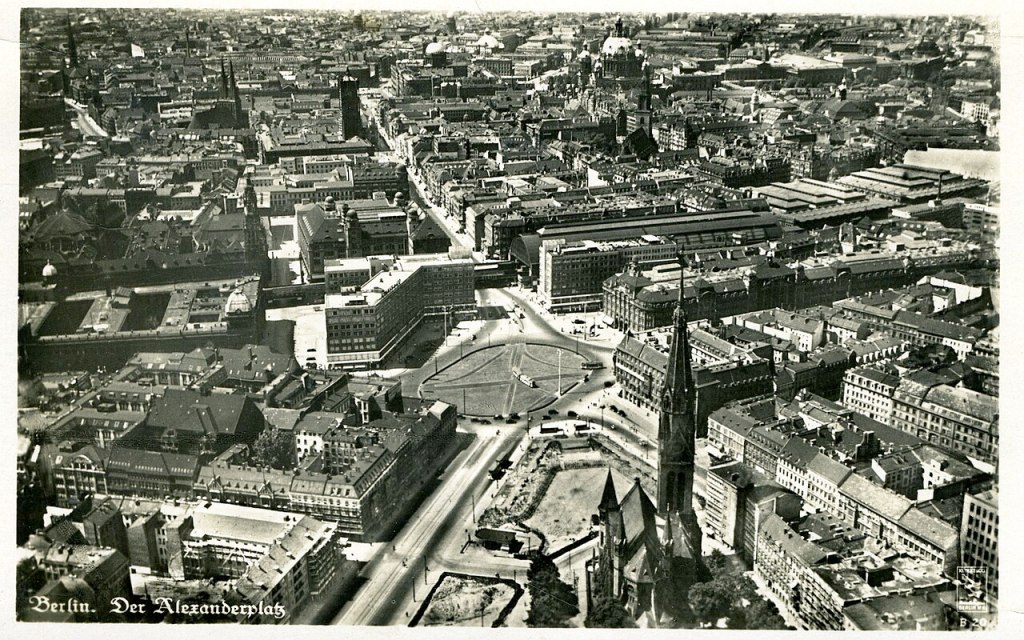
We felt strongly that the postwar generation was something new.
That could work beautifully in narration because it establishes that 1933 didn’t arrive in a culturally stagnant country. Germany had already undergone a social revolution of sorts after 1918.Felix Gilbert. German Citizen.
Politics
Politically, the streets were just as alive as the theaters. It lived in the past and the present simultaneously. While it proclaimed itself to be a Republic, old titles, ministries, even everyday language clung to the old term, Reich, meaning ’empire’. Elections chose a Reich President. Even Parliament was still known as the Reichstag.
But there was a divide between the people and the government. Few people got excited about politics. The great mass of poor and laborers were still living day-to-day and were tired of bourgeois policies that did little to help dig them out of poverty.
Enter to the stage, the Communist Party of Germany (KPD)! They saw Weimar not as a republic to improve, but as a temporary phase before a second revolution. Inspired (and loosely financed) by the USSR, they organized strikes, uprisings, and paramilitary groups like the Red Front Fighters. Their presence was physical, loud, and often violent. They clashed regularly with right-wing militias like the Stahlhelm and Brownshirts.
Later, the National Socialists, or Nazis, became a leading competitor against the moderates and the Left. Lead by a World War 1 veteran named Adolf Hitler, they rallied citizens against the Versailles Treaty and those who signed it. As ardent enemies of the Communists, Nazis would attack them every opportunity in the streets.
“After listening to what was said, I concluded that there were two options. One could try a new beginning with the Communists under Russian leadership or join the National Socialists…I couldn’t see any third option and I guess millions of other Germans didn’t either.”
Otto Kumm, German citizen; Voices of the Third Reich.
Wilhelm Fischer was only ten before the Great Depression. While at a tram stop, he witnessed a happenstance meeting between two members of the NSDAP. Upon seeing each other, they raise their right arms and shouted, Heil, Hitler!
Several older people shook their heads but didn’t say anything. When I got home and asked my father about what I say, he said I didn’t need to worry about them.
Voices of the Third Reich
But there was a reason to worry. When times are good, the vast majority of people stay away from extremist politics. After the stock market crashed in 1929, popularity with the Communists and National Socialists surged. By 1933 the Nazis would be the largest party in Parliament.
“In the end there were no longer political parties; only demonstrations and assemblies in one hall or another. All the young men were involved. That’s when I joined the Nazi Party in 1930. Conservative politics were too tame; only for old men who’d lost their fire.”
Theo Hupfauer. German citizen. Voices of the Third Reich.
On the opposite end sat Germany’s industrial and financial elite who navigated the chaos with remarkable flexibility. During the hyperinflation in 1923, many industrialists actually benefited, wiping out debts while acquiring real assets. They were increasingly aligned with conservative and nationalist forces, seeing socialism and labor unrest a threat to unrestricted profit.
Entertainment
Meanwhile, culture itself went wild in a good way, depending on your tolerance for decadence. Berlin became Europe’s playground. Jazz, imported from the United States, flooded clubs and dance halls. Bands played syncopated rhythms that older Germans found alien, even offensive. To conservatives, jazz wasn’t just music; it was a symbol of cultural decay, foreign influence, and racial mixing. To young Germans, jazz was liberation; movement and spontaneity. Jazz was life after the trenches.
It meant different things to different people. Some, like Alicia Gerstel, thought the mass adoption was a symbol of the collapse of the middle-class and long-established traditions. For better or worse, it took Europe by storm.
These weren’t just nightclubs. They were political satire, musical havens, and social commentary rolled into one room. Performers mocked politicians, explored taboo themes, and blurred lines of gender and identity. Shows could be hilarious one moment and brutally cynical the next. If you wanted to understand Weimar, you didn’t read a manifesto. you sat at a small table, drank something questionable, and watched a cabaret act tear society apart with a smile.
The Katakombe, a cabaret bar in Berlin, was home to well-known headliner Werner Finck. When the Nazis came to power and started to destroy their opponents, the joint was packed with Berliners looking for releif.
The only place in Germany where a kind of public, courageous, witty, and elegant resistance was taking place. He spoke with infinitely quiet mockery, melancholy, and sadness. Listening to him was extraordinarily comforting.
Defying Hitler.
Today, we have similar TV programs like Saturday Night Live and The Daily Show. Except back then, the audience can drink and smoke. And instead of a single script broadcast to the entire country, imagine a hundred little shows in each city.
Culturally, Weimar also produced some of the most influential art of the 20th century. Movements like Bauhaus redefined architecture and design with clean lines and functional beauty.
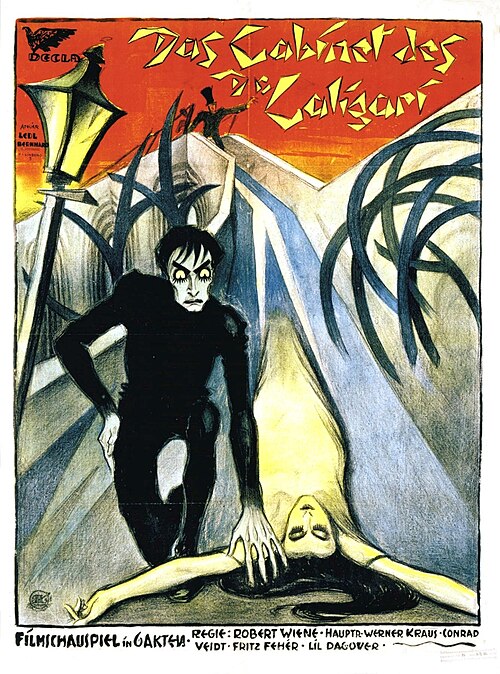
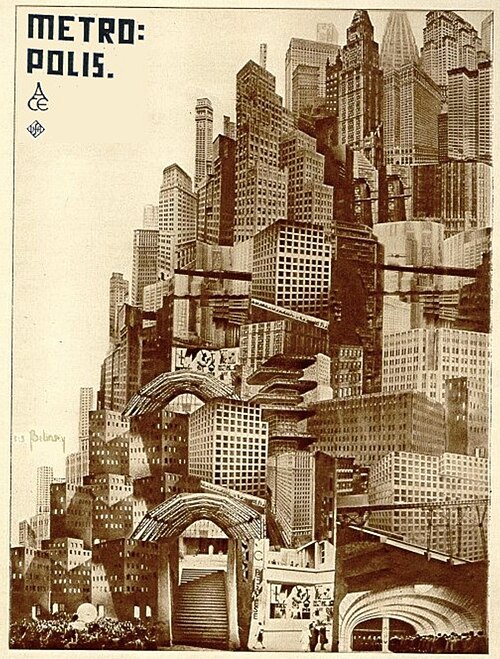
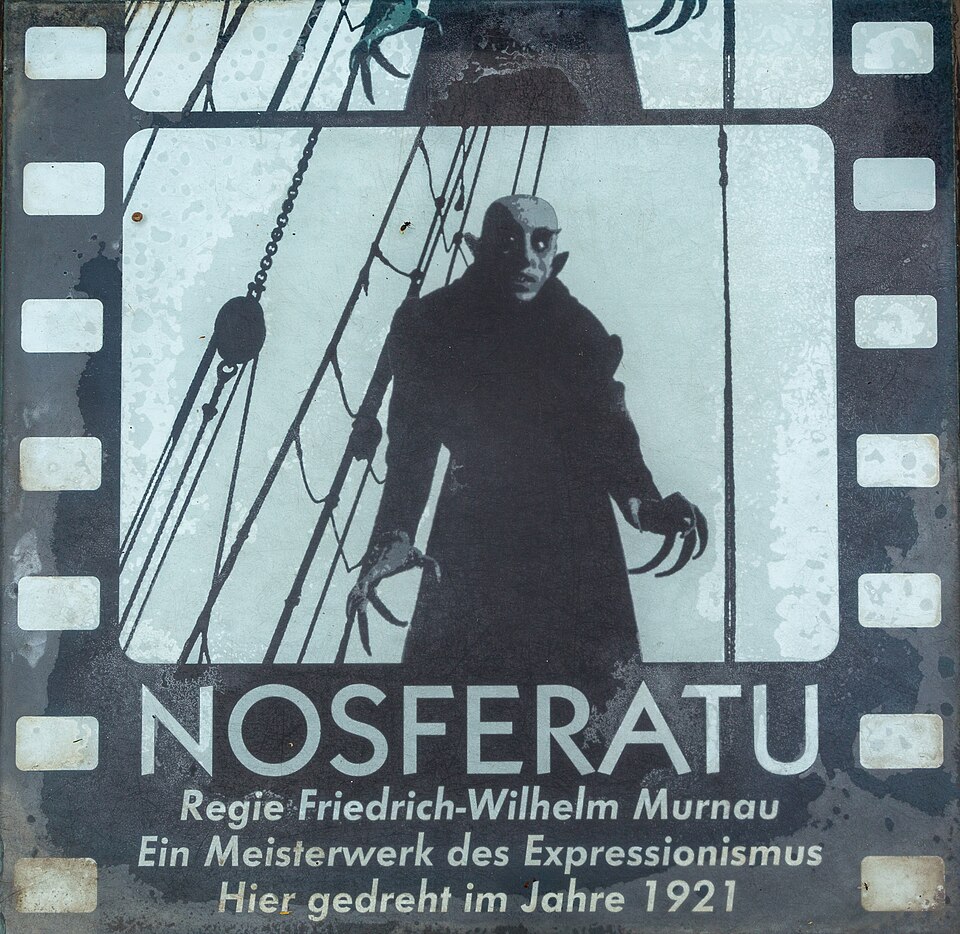
Film exploded with innovation—dark, psychological works like The Cabinet of Dr. Caligari [left] reflected a society grappling with trauma and instability. Nosferatu [right] revolutionized the horror genre. Metropolis [center] mirrored the wide division between social classes. All over Germany, writers, painters, and musicians weren’t just creating; they were dissecting reality, often with unsettling results.
Annual festivals decorated the calendar: Oktoberfest and Carnival were popular in the major cities, especially the capital. Working class, poverty stricken, and wealthy converged on big events like these.
Sebastian Haffner remembered the last Carnival celebration he attended in 1932. Over the years, he’d collected an assortment of memories.
“A carnival ball in Berlin is like a large, colorful, well-organized love raffle, with winning tickets and duds. You take your chance, join up with a girl, kiss and cuddle her, and go through all the preparatory stages of a love affair in a single night. It all takes place in a wild, garish environment with the clashing noise of several dance bands in a building decorated with colored paper accompanied by as much alcohol as you can afford.”
Defying Hitler
Radios began mass production in 1923. Early programming consisted of orchestras, opera singers, dramatic voice acts, news, and politics. Over two million households had a registered radio set by 1929.
“All at once the world barged into our living room. From there I followed the events of the Day of Potsdam, as it was called in 1933.”
Martin Koller, German citizen. Voices of the Third Reich
Dating and Identity
After the death and starvation of the First World War, young Germans looked around and realized they were still alive. Their parents method of finding marriage through family connections didn’t seem exciting enough anymore. Instead, young adults went out and met dates at the cinema, bowling alley, and nightclubs. It was a new culture which persists to this day.
An Early LGBTQ Safe Place
Sexual culture more broadly underwent a kind of quiet revolution. Berlin became one of the most open cities in the world for LGBTQ individuals. Dr. Hirschfield founded the Institute for Sexual Science which conducted pioneering research on sexuality and gender identity and also provided the first gender affirming care.
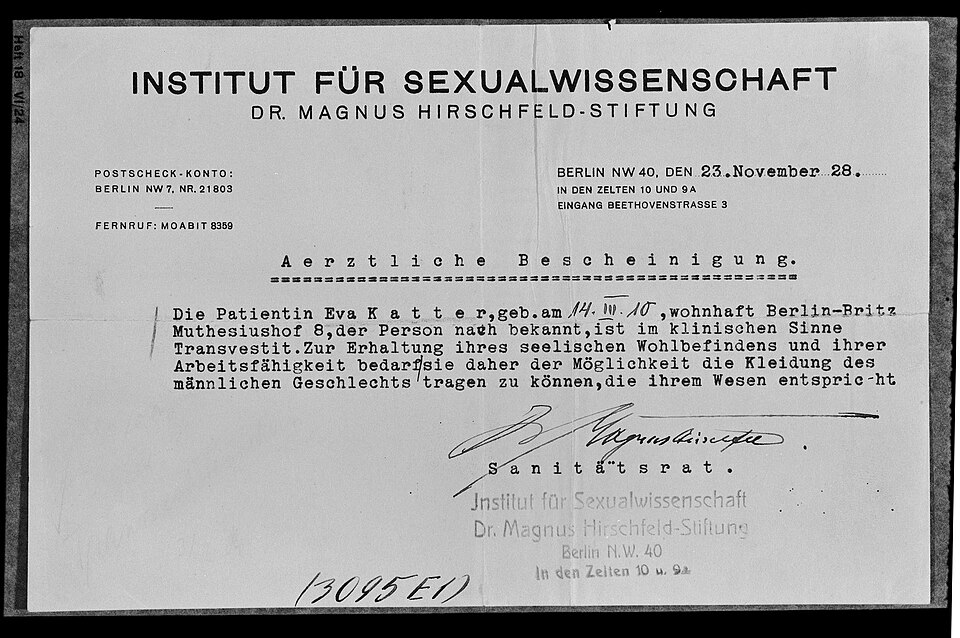
Medical Certificate:
“Eva Katter is in clinical terms a transvestite. To maintain her mental well-being and her ability to work, it is necessary that she is enabled to wear clothing of the male gender, which corresponds to her nature.“
Places like the Cosy Corner, Hallesches Tor, and Kleist Diele catered to the community with music, dancing, and company. They were some of the first places like this in the world where LGBTQ could be themselves.
American expatriate Christopher Isherwood settled in Berlin after discovering his true self while on a visit:
At last, he was being brought face to face with his tribe. Up to now, he had behaved as though the tribe didn’t exist and homosexuality were a private way of life…but now he was forced to admit kindship with these fellow tribesmen.”
Robert Beachy. Gay Berlin
This was not a fringe movement. It was visible, organized, and, for a time, tolerated. Legally, homosexuality violated the law and would get you sent to prison but there were few cops willing to trouble themselves over it. This also made Weimar a target for those who saw it as moral collapse incarnate.
Labor & Work
Business in the Weimar Republic operated much as it had under the Kaiser. Private ownership of businesses remained the norm and suffered all the stress of a market economy when times were bad.
The hyperinflation of 1923 caused real problems for the middle-classes. Savings were wiped out overnight. Shortages of food and medicines plagued the middle and lower classes. Inflation rose by the hour. Half of the neighborhood economy seemed to work on a barter principle.
“A pound of potatoes which yesterday had cost fifty thousand marks now cost a hundred thousand. The salary of sixty-five thousand marks brought home the previous Friday was no longer sufficient to buy a packet of cigarettes on Tuesday.”
Sebastian Haffner. Defying Hitler.
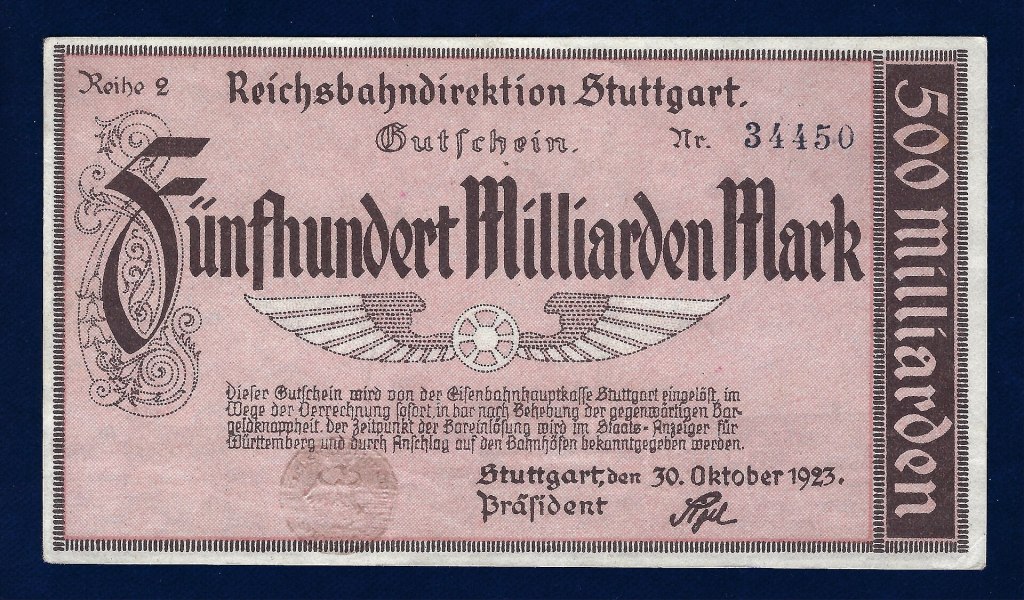
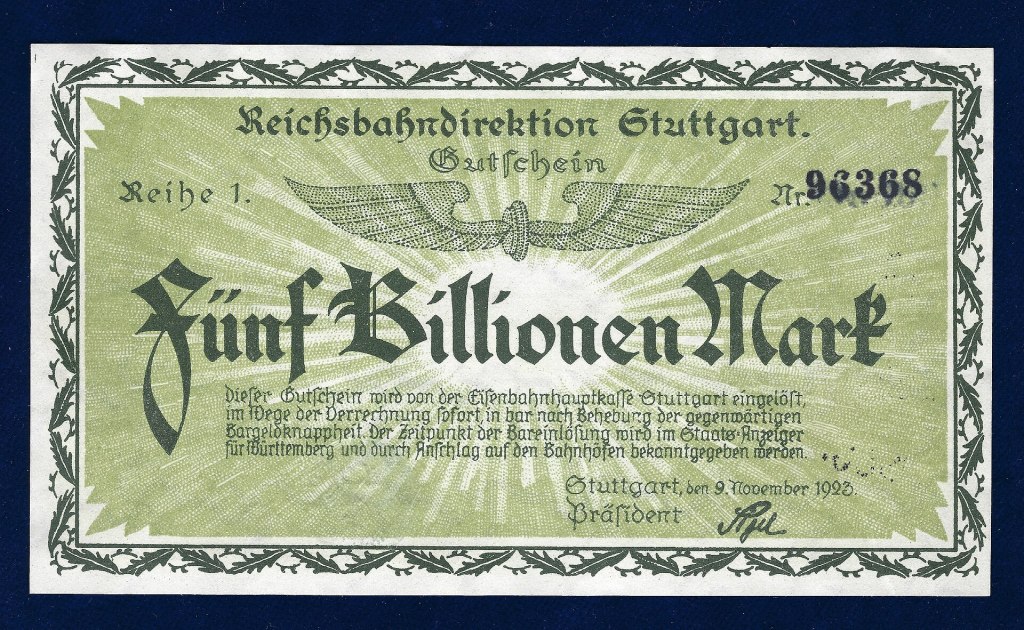
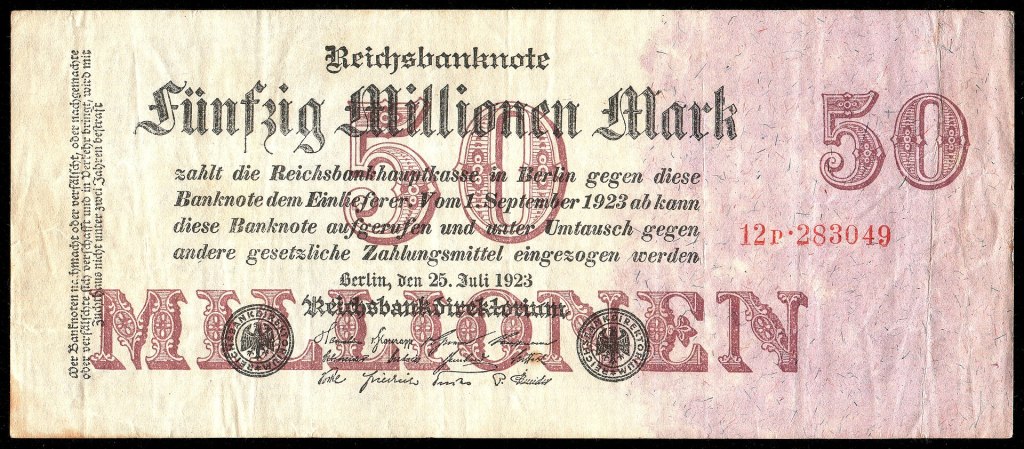
New banknotes were printed to keep up with the demand of money. Denominations like the 50-million [right] 500-million [left] and 5-billion [center].
“During the Inflation, a breadroll cost 20 million marks. Mailing a letter cost 100 million. A quart of milk cost 300 million.”
Voices of the Third Reich
With the implementation of the Dawes Plan in 1924, Germans started returning to work in droves. Many opened or expanded small businesses providing services to the public like laundry, tailoring, accounting, etc.
Labor unions expanded too. Many factories had a union or fed into one of the larger trade organizations. For the worker, these unions gave them a voice to speak before management regarding wages, safety, and efficiency.
The republic also made real strides in worker protections. The eight-hour workday became standard at its inception and systems of collective bargaining expanded. Welfare measures: unemployment insurance, housing programs, etc., attempted to stabilize lives battered by war and inflation.
These are labor rights most of us can happily take for granted. Workers present at the inception of these protections it was being liberated from a culture of labor exploitation and expendability. Weimar wasn’t decadence; it was the first time the state seemed to acknowledge they existed as citizens rather than expendable labor.
When the Wall Street Crash of 1929 caused the Great Depression, the German economy went bankrupt almost overnight. Massive foreign-loans were called up for immediate repayment. Businesses disappeared. Savings evaporated. Unemployment rose to 25%!
“Unemployment destroyed people’s self-respect and undermined their status in a society where men’s prestige, recognition, and identity derived from the job they did.”
Richard J. Evans, Coming of the Third Reich
In a letter to her son abroad, Betty Scholem described what happened to her family business during the beginning of the Depression:
“It hit us like a catastrophe. An enormous fall in the demand for price tags caused our debts to swell. Just as all business came to a halt, the bank failed; so there was no one to speak to. The banks went into a government holding company, which showed no interest in the debts of customers. All of this happened at once. It looks as if we’ll lose everything. It’s cold comfort to know that the entire commercial sector is in the same position and that more shops are going under than staying afloat.”
Friction in Society
But these gains came with constant tension. Employers resisted union power, while workers, especially those aligned with the KPD, often saw reforms as insufficient. Strikes were frequent, sometimes paralyzing entire industries. The middle class, squeezed by inflation and instability, often resented both sides. They watched workers demand more and elites protect themselves, and concluded, fairly or not, that the system itself was broken.
And that’s really the thread tying it all together: contradiction. Weimar Germany was progressive and reactionary, liberated and anxious, creative and violent. All at the same time. You had cutting-edge science next to political street brawls, sexual openness next to rising puritan backlash, democratic reforms alongside growing authoritarian temptation. It wasn’t a stable equilibrium. It was a balancing act on a knife’s edge.
One of the most polarizing questions of the era was: what is German culture? The NSDAP appropriated German institutions like the beer-hall and sports club for its own dictatorship.
Weimar didn’t just collapse economically or politically: it was culturally indicted, judged, and ultimately destroyed by something far darker that promised order at the cost of everything that had made the era so explosively alive.
the Third Reich
Nazi culture didn’t emerge out of nowhere. It defined itself as the antidote to Weimar. Where the republic had been chaotic and experimental, the new regime promised order, unity, and moral clarity. In practice, that meant something far more rigid: culture was no longer a space for exploration but a tool of the state; art, music, film, even leisure. Everything was expected to serve the ideology of the regime and reinforce a single, approved vision of German life.
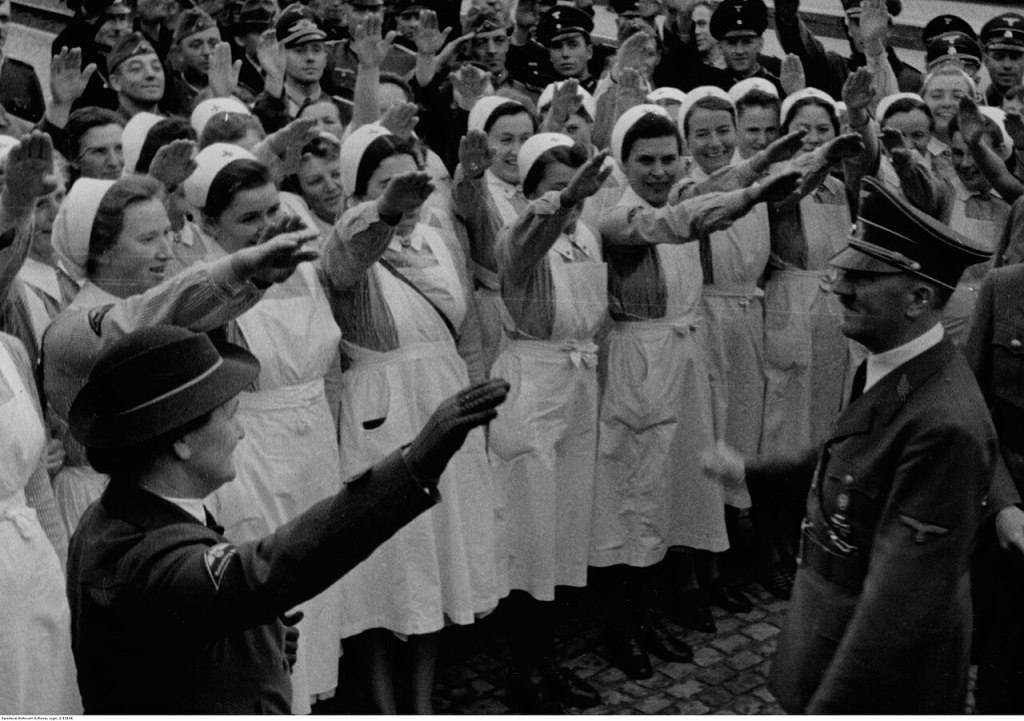
Reorganizing Germany
It branded itself as the continuation of a great German nation birthed in pre-history. Arminius, Charlemagne, Frederick the Great, among other notable figures were hailed as saviors and guardians of the nation from enemy cultures. The Nazis were forging a German ‘third empire’ as the alleged heirs of these protectors and saviors.
At the center of that effort stood Ministry of Public Enlightenment and Propaganda under Joseph Goebbels. This wasn’t just censorship. It was total cultural management. Artists, writers, musicians, and filmmakers had to join state-controlled chambers or they simply couldn’t work. The goal wasn’t subtle persuasion; it was saturation. Every poster, radio broadcast, and film was meant to shape how Germans thought, felt, and even imagined reality.
When the Northeim police prefect was about to leave his office for the evening, a local Nazi barged into his office.
Taking off his own silver swastika pin, he threw it on my desk and told me, “Put that on. If you don’t, you won’t be Prefect tomorrow. Thus, I joined the Nazi Party.”
(Allen 173)
What is not often remembered is the plans and money the Nazis used to provide relief were already approved and in motion by the time they came to power. In fact, they spent their tenure in the Reichstag blocking or obstructing various other relief legislations before inheriting and implementing the solutions they previous blocked.
Most of the foreign correspondents in Berlin liked to congregate at this little eatery called the Taverne. A visiting British diplomat paid a visit during a trip to the city and remembered the establishment well but not fondly:
Several of them gathered there each night to talk about the latest atrocities. I thought the conspiratorial atmosphere absurd until I realized they were actually in danger not least from trumped up charges of espionage!
Boyd, Julia. Travellers in the Third Reich
Economically and socially, the regime projected stability and recovery, especially compared to Weimar’s crises. Public works, rearmament, and declining unemployment created a sense of forward momentum. For many ordinary Germans, daily life in the mid-1930s felt more predictable, even optimistic. That stability, however, was tightly interwoven with repression, militarization, and preparation for war. Wages never returned to pre-1929 rates. Labor-unions were replaced with a regime-backed union which favored the business owners. Media was censored.
A Command Economy
A pact between big business and the Nazi dictatorship helped seal Germany’s fate in 1933. In return for crushing the labor unions and rolling back worker protections under various “emergency decrees”, the country’s biggest corporations pledged to publicly support the regime (despite in some cases they fought against the Nazis rise to power).
Manufacturing was switched from a priority on consumer goods to armaments by the mid-1930s. National price-fixing cushioned the cost to the average German during times of scarcity.
“Most Germans alive today have lived through three periods of malnutrition: first during the Great War, then during the peak of the inflation in 1923, and now, for the third time, under the slogan of ‘guns before butter.’”
Sebastian Haffner. Defying Hitler
The Nazis formed a national labor union called the German Labor Front (DAF) which shaped your day during work hours and off. Enrollment was expected. It stripped any bargaining or leverage power from the worker and enforced government expectations. To compensate for the loss of rights, the Party gave them mandatory clean and safe working environments, factory canteens, and wash facilities.
Workers lost the ability to switch jobs at will, too. The expectation was to serve the state and leadership toward a better future; switching jobs would interfere with efficiency and workplace morale. Bosses and security police were constantly on the lookout for absenteeism and work-shirkers. Poor health might be excused but dead-weight on the factory floor (or any workplace) would be dealt with harshly. Punishments would vary from job loss to professional blacklisting.
Hijacking Culture
The German community, the rest of the 70 million Germans, apart from the million or so who operated the whole machinery of Nazism, had nothing to do except NOT interfere.
Meyer, Milton. They Thought They Were Free, 57
Film became one of the regime’s most powerful tools. Directors like Leni Riefenstahl created visually stunning works such as Triumph of the Will, which presented the Nazi movement as almost mythic—orderly masses, heroic leadership, a nation reborn. Even entertainment films, comedies, and romances were carefully curated to reinforce acceptable values. The audience wasn’t just watching stories. They were being gently trained in what normal was supposed to look like.
Music and art followed the same pattern of control. The Nazis promoted classical composers like Wagner as embodiments of German greatness while condemning modernist movements as “degenerate.” Jazz, so central to Weimar nightlife, was banned after being labeled foreign and corrupting.
This gave rise to an unusual youthful rebellion we know as “swing kids” where both boys and girls would intermingle in basements, homes, or pre-designated establishments to listen and dance. Boys would often wear their hair slicked back which was not approved by the State. Girls would frequently adopt a coiffured style with lipsticks and the latest fashions from the West. Not all of them were anti-Nazi. Many were just enjoying youthful rebellion.
Exhibitions like the infamous Degenerate Art show mocked modern artists while elevating state-approved works: idealized farmers, strong soldiers, serene mothers. It was art stripped of ambiguity: clear, direct, and ideologically obedient.
Germans did not always conform to how the Nazis wished they would. The German Art Exhibition was opened with great fanfare in 1937 in the heart of Munich. It was filled with pieces approved by Hitler personally. The Degenerate Art Exhibition opened the following day in the hopes of fueling public disgust quickly became one of the most successful in Germany.
To enforce its will on each street corner, loyal Party members could be given the job of “Block Warden” of their neighborhood. It was a position given specifically to men who would be tasked with informing any political or criminal infraction to the local police or Gestapo.
assimilation & Segregation
The National Socialists made their anti-Semitism public from the very beginning. At first, their violent rhetoric turned many people away. But by the early 1930s the Party had toned down their anti-Semitism in certain regards but it always remained a cornerstone of their ideology.
Other persecuted groups, like the Communists and homosexuals, were forced to disavow their former beliefs and assimilate into the new society. Those who were among those now persecuted now distanced themselves from old friends.
Some homosexual men and women intermarried to save themselves from arrest later on. Others returned to their ‘everyday lives’ to carry on a discreet rendezvous when an opportunity arose.
Jews found the regime increasingly hostile from its very ascension.
Viktor Klemperer, a man which converted from Judaism to Protestant [that’s the only information I’m given via the Source] was under no illusions what the Nazis would bring. He wrote in his diary:
“I am almost used to the condition of being without rights. I am simply not German and Aryan but a Jew and must be grateful if I’m allowed to stay alive.”
Victor Klemperer, I Will Bear Witness
The Next Generation
The Nazis wanted to indoctrinate every German into the new way of thinking. It began inside the classroom. Each subject was changed to conform to the new world-view. Instructors had to be members of a Nazi educator organization. Compliance with the new curriculum was expected; or bad things would happen to the teacher. Schools taught their students Germany was surrounded by enemies trying to cheat her.
It was an us against them mentality. A future, final, conflict to secure the country’s place in Europe was coming. To ensure the country was ready for the coming war, the Nazi Party needed soldiers. They planned to mold them from Germany’s youth.
At ten years old, boys entered the German Youth (Deutsches Jungvolk). Much like the better-known Hitler Youth they wore uniforms and participated in hiking and camp making with their older brothers. Lessons focused on athletics, racial and ideological lessons, and obedience training. Girls inducted into Junior Girls (Jungmadel) also learned how to obey while on hiking trips and camping. Lectures and practice taught early domestic skills in cleaning and helping raise younger siblings.
At fourteen, both advanced into the next state-sponsored organization. For boys, it was called the Hitler Youth (Hitlerjugend). Girls continued into the League of German Girls (Bund Deutscher Madel), BDM. Girls endured training in childbirth and raising, first aid, and cooking for a large family. Boys were trained in discipline and physical fitness. They were also given shovels keep clean and drill with while learning camp making skills and hand-to-hand fighting and small unit combat tactics from older teenage instructors. The purpose was to transpose what they learned as youths into the Army later as adults.
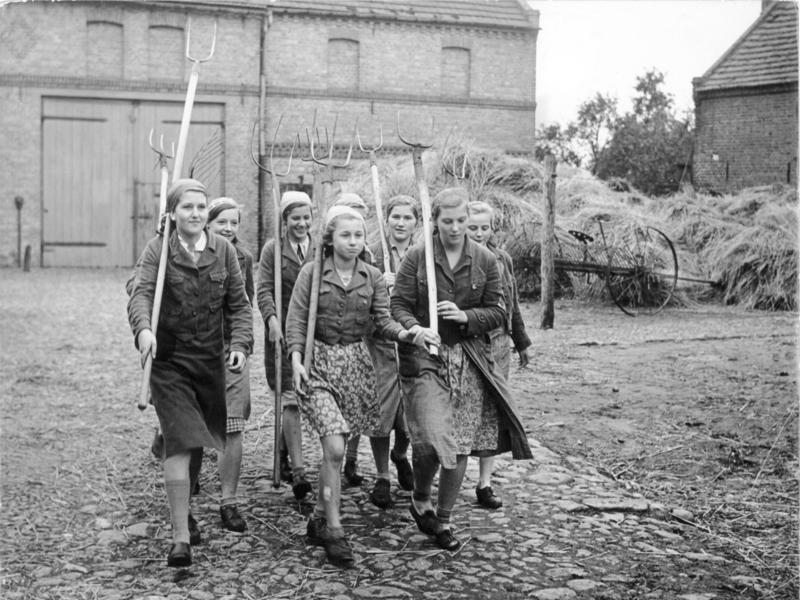
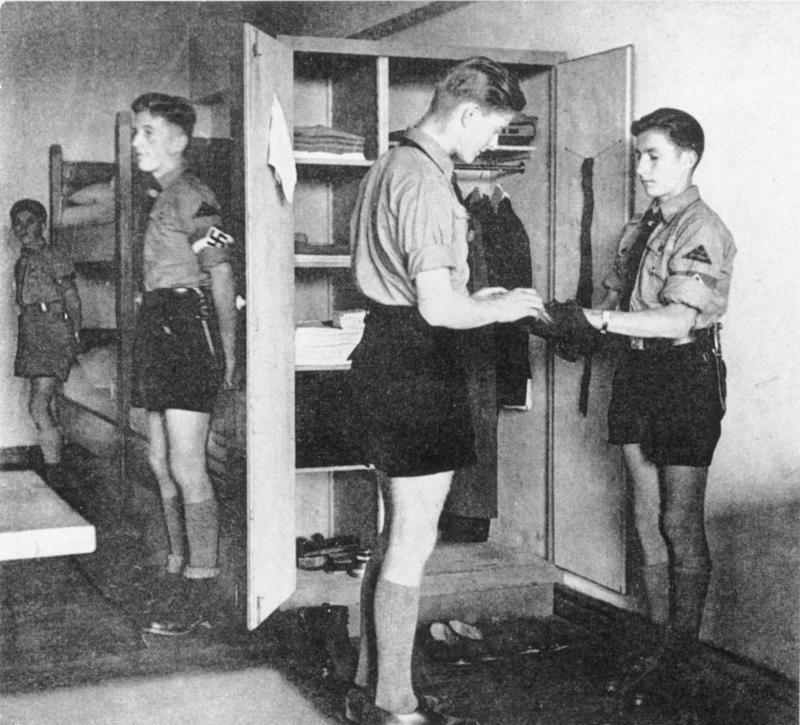
Both the Hitler Youth and League of German Girls participated in mandatory outings and meetings with their peers. Camps were set up in the countryside to teach them the necessary skills to survive in the Third Reich. Incidents of teen pregnancy occurred but would be protected by the regime.
Technical schools were established by the regime to enhance the skills of those with talents in the fields of radio, sports, mechanics, and the like. Once both genders came of age, they would be sent to perform manual labor in the countryside helping farmers bring in the harvests, dig ditches, and build barns.
It was a parallel education system, shaping identity, loyalty, and worldview long before adulthood. From birth until adulthood, children were surrounded by Nazi ideology. They were taught to serve the State and the Party from the age they learned to think.
Home & Leisure
Gender roles were sharply defined and relentlessly promoted to ensure victory in the coming battle. Women were encouraged, through policy and propaganda, to embrace “Kinder, Kuche, Kirche” (children, kitchen, church). Professional opportunities narrowed, especially for married women, while incentives were offered for large families. Men, meanwhile, were cast as warriors and providers. Compared to Weimar’s fluid and experimental gender culture, Nazi society drew hard lines and enforced them with both social pressure and state policy.
The regime also worked to reshape everyday life through programs like Strength Through Joy. This organization offered subsidized vacations, concerts, and recreational activities, presenting the regime as both provider and benefactor. The idea was to bind citizens emotionally to the state, not just through fear or ideology, but through positive experiences. Even leisure became political, reinforcing the sense of belonging to a unified national community, or Volksgemeinschaft.
Of course, that “community” was built on exclusion. Those beneficial to the Nazis long-term plans would be kept in German society. Those deemed harmful: Jews, intellectuals, Masons, liberals (Social Democrats, Communists, Centrists, etc.), Roma, mentally-disabled, physically handicapped, and the generally disliked, were systematically removed from cultural life long before the full horrors of the Holocaust unfolded. The same applied to political dissidents, LGBTQ individuals, and anyone deemed “undesirable”. Liberal institutions like Institute for Sexual Science were destroyed, books were burned, and entire cultural currents were erased. Nazi culture didn’t just promote certain values, it actively eliminated alternatives.
Faith & Hero Worship
Religion occupied a complicated space. The regime tried to co-opt Christianity into a more nationalist, racially aligned form while also promoting a kind of cult of personality replacing Jesus’ Jewish roots to ‘Aryan’. They created various councils and associations to ensure churches across Germany conformed to the new principles. In certain instances, Adolf Hitler was promoted above Jesus as the ‘Savior of Germany’. Loyalty to the state, and to Hitler, was meant to supersede all other allegiances. Spiritual life, like everything else, was expected to align with the regime’s goals.
Hitler stressed the role Christianity would play in the National Socialist state while promoting ideology which was in direct contradiction of Church doctrine.
Roland, Paul. Life in the Third Reich, 30
The Catholic Church did not like the harassment and arrests by Nazi officials and protested their treatment each chance they received. The Reichskonkordat signed in 1933, granted the Church protection if they remained out of politics. The Papacy agreed. It is unlikely this measure would have protected the Church for long and served as a temporary inconvenience to the regime.
The regime began transforming average Germans into supporters by harnessing nationalism and revering old German folk heroes. Parades venerating medieval culture, Teutonic brotherhood, and pan-German heritage were a fixture for years immediately after the revolution. The Nazis rewrote history to suit its own ends toward a new empire.
Final Thoughts
In the end, Nazi culture was about control: of thought, identity, and possibility. Where Weimar had been a cacophony of voices, Nazi Germany enforced a single narrative. It offered belonging, purpose, and order, but only within narrow, rigid boundaries. Everything outside those boundaries was silenced, removed, or destroyed. And that’s the grim irony: in trying to eliminate the chaos of Weimar, the regime created a system so tightly wound that it could only sustain itself through expansion, conflict, and ultimately catastrophe.
“Ordinary Lives, Extraordinary Times”
(c) Jay Daniels. All rights reserved.
Image Credits:
- Alexanderplatz:: WikimediaCommons. Unedited. https://www.flickr.com/photos/sludgeulper/50268492586/
- Das Cabinet des Dr. Caligari poster:: http://blackholereviews.blogspot.fr/2012/05/cabinet-of-dr-caligari-1920-fundamental.html Unedited.
- Poster for the 1927 film Metropolis:: WikimediaCommons. https://www.pinterest.es/pin/437764026261712237/. Unedited
- Commemorative plaque, Nosferatu. WikimediaCommons. JH Janssen. Unedited.
- Medical Document:: WikimediaCommons. Unedited. https://collections.ushmm.org/search/catalog/pa1136964
- Girls Farmers:: WikimediaCommons. Unedited. Bundesarchiv, Bild 183-E10868 / CC-BY-SA 3.0
- Youth Barracks:: WikimediaCommons. Unedited. Bundesarchiv, Bild 146-1983-056-07 / CC-BY-SA 3.0
- Nazi Nurses:: WikimediaCommons. Unedited. http://www.audiovis.nac.gov.pl

