Berlin
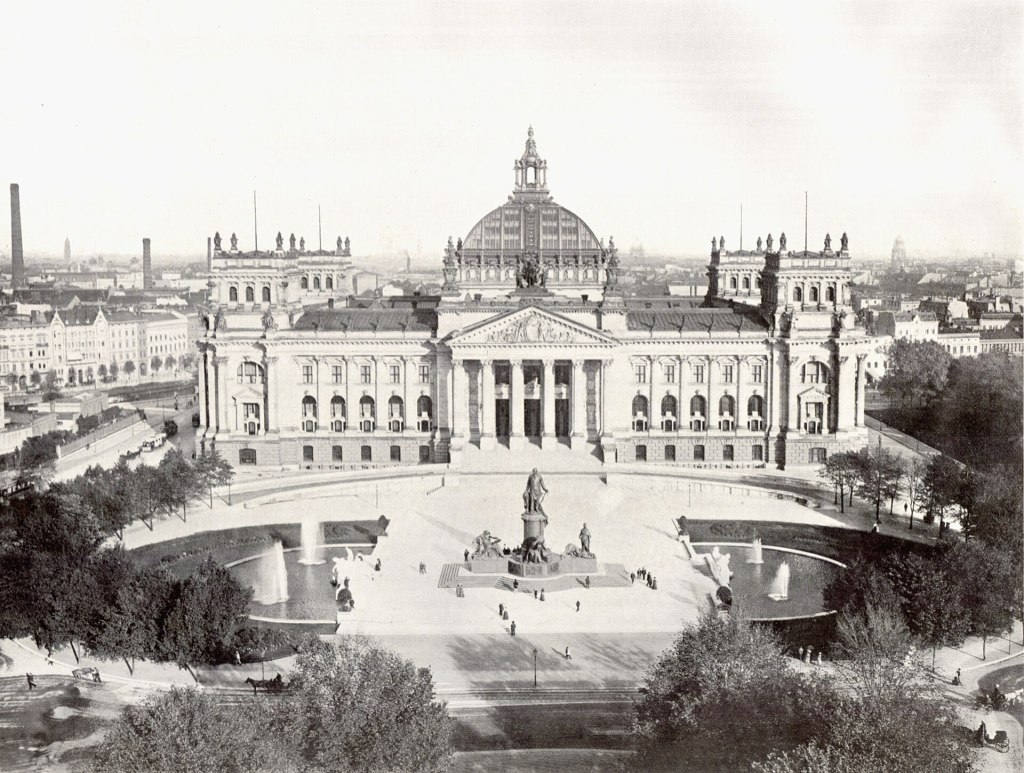
Reichstag
Constructed in 1891 to house German Parliament. In 1933 a fire gutted the interior forcing parliament to meet down the street at Kroll Opera House. Restoration was completed after Reunification in 1999. Parliament still meets at the new building on the same site.
Image Credit: Wikimedia. Public Domain. Unedited.
Old British Embassy
Formerly Palais Strousberg, it was bought by Lord Odo Russell in 1876. The building was destroyed during the Allied bombings and demolished in 1950. The embassy followed the West German capital to Bonn until 1994 when the new embassy opened on the old site. The facade was remodeled in the early 2000s to a modern aesthetic.
Lord and Lady Rumbold were posted here during his ambassadorship.
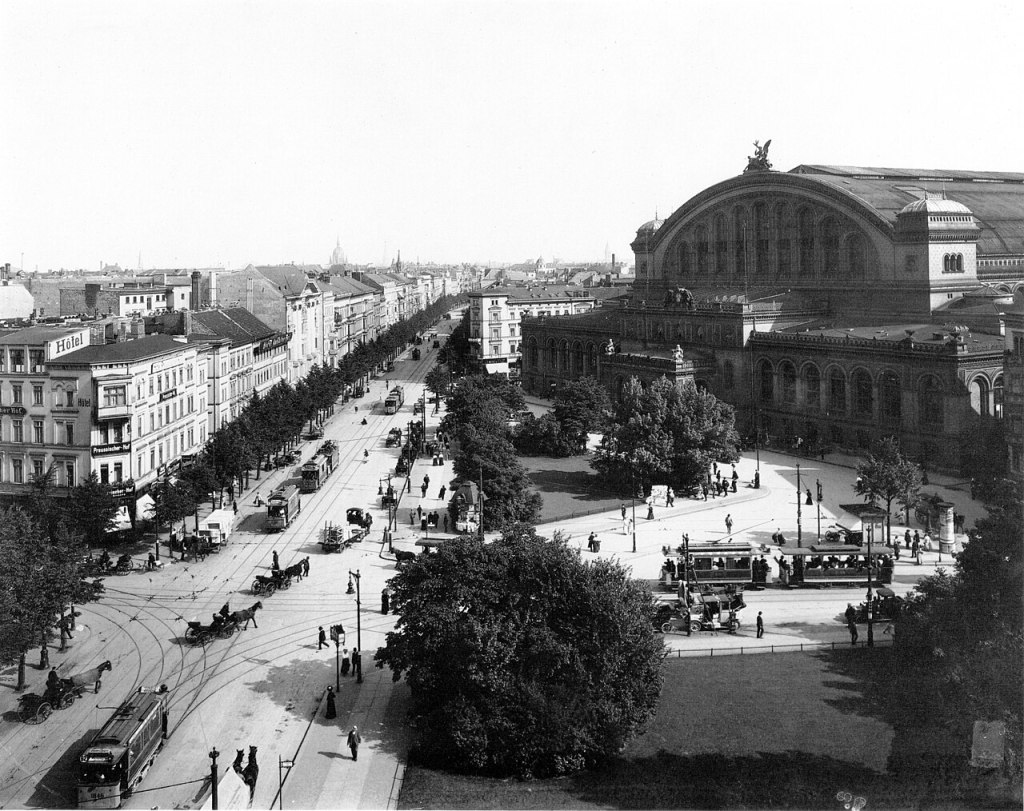
Anhalter Railway Station
After opening in 1880, the ultra modern structure was known as the ‘Gateway to the South’ supplying connections to Austria-Hungary, Rome, and Athens. Trains left every 3 to 5 minutes. Still more arrived daily to eat at one of the many restaurants or get a drink at the bars. It was destroyed by Allied bombing in the war.
Image Credit: Anhalter Bahnhof und Askanischer Platz. Public Domain. Unedited.
Excelsior Hotel
Once considered the biggest hotel in Europe, it stood across from the Anhalter Station. It had 600 rooms, 9 restaurants, and a library. Guests could also access a tailor, cobbler, and baker. Allied bombers destroyed the building and the remains were destroyed in 1954.
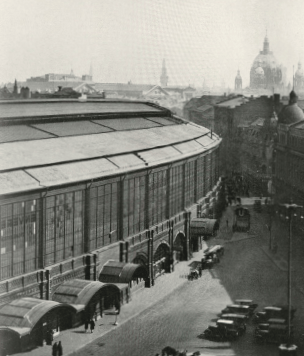
Friedrichstrasse Station
This terminal was constructed in 1878 and has seen quite a bit of history. 4,700 marks were stolen from a currency exchange office in 1907. The Duke and Duchess of Windsor and William Joyce arrived in the city on this platform. After the war it served as a crossing station between East and West Germany.
Image Credit: Mario von Bucovich: Berlin. Berlin: Albertus Verlag, 1928. Public Domain. Unedited.
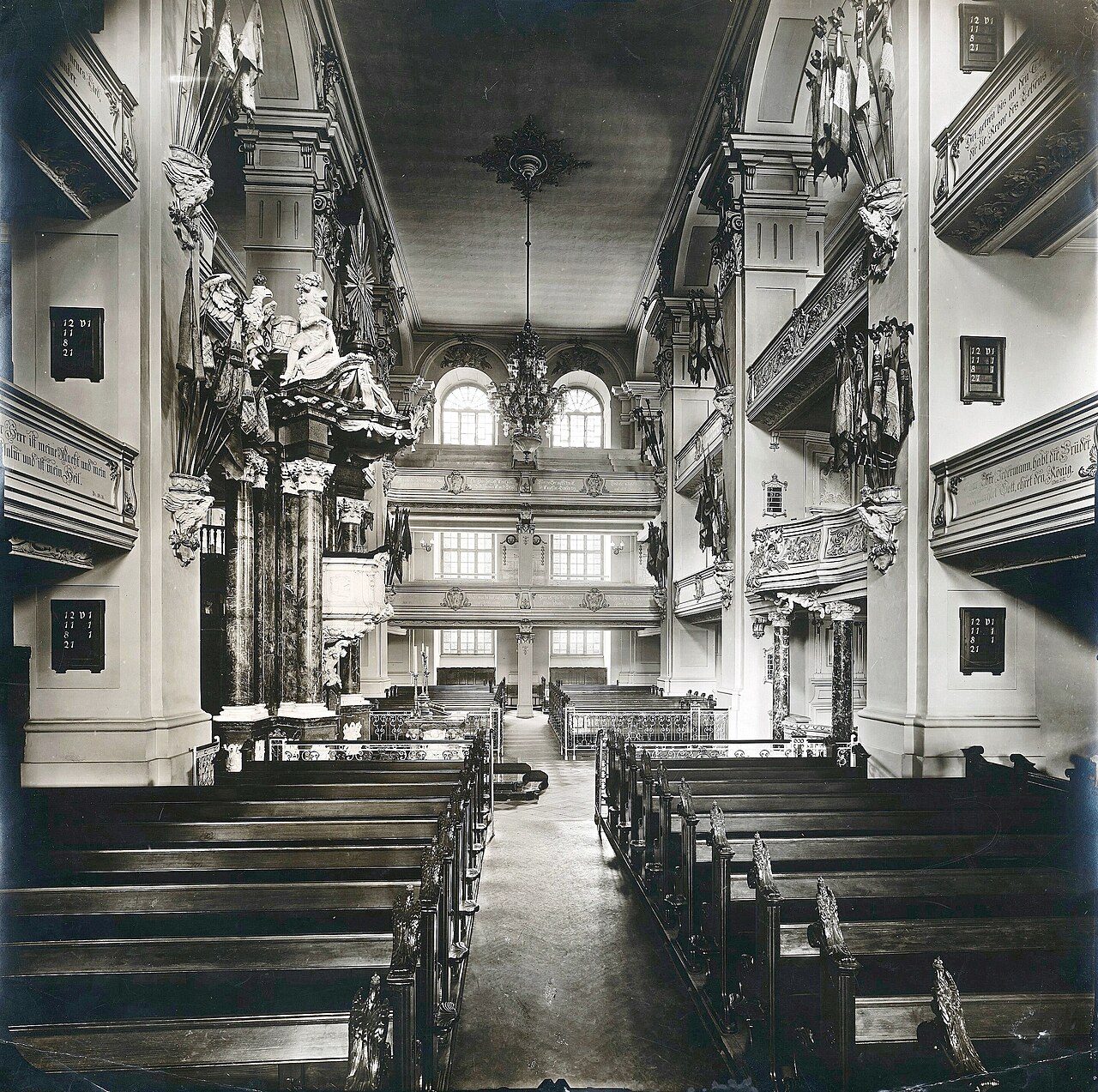
Garrison Church
Completed in 1735 under Prussian King Frederick William I, it became closely associated with the monarchy and military tradition. Frederick the Great was buried there becoming an important symbol of old Prussia. On March 21, 1933, Hitler and President Hindenburg appeared there for the Day of Potsdam. It suffered heavy damage during the War. East Germany demolished the remains in 1968.
Image Credit: Institution. Link. Inventarnummer: F 0519. Unedited.
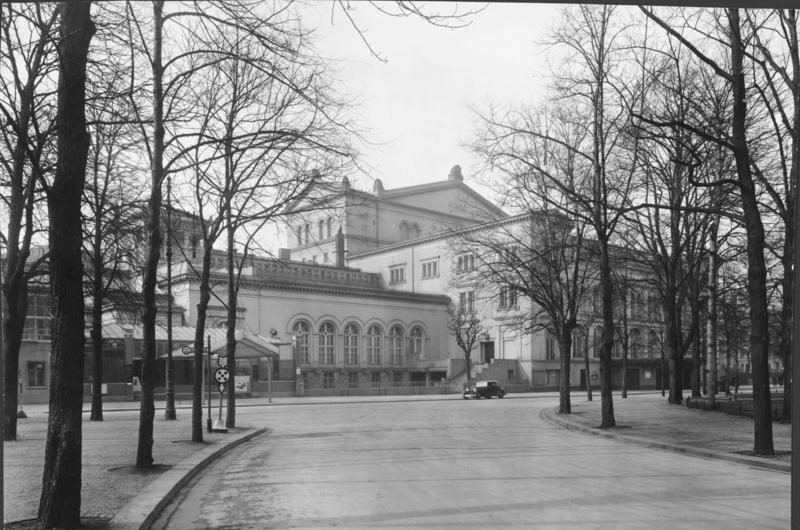
Kroll Opera House
Built in 1844 before Unification, it hosted plays and operas. After the Reichstag was burned down, Parliament met here to rubberstamp laws from 1933 to 1945. It was badly damaged during the Allied bombings and demolished after the War.
Image Credit: Bundesarchiv: Bild 183-U0613-504. Unedited.
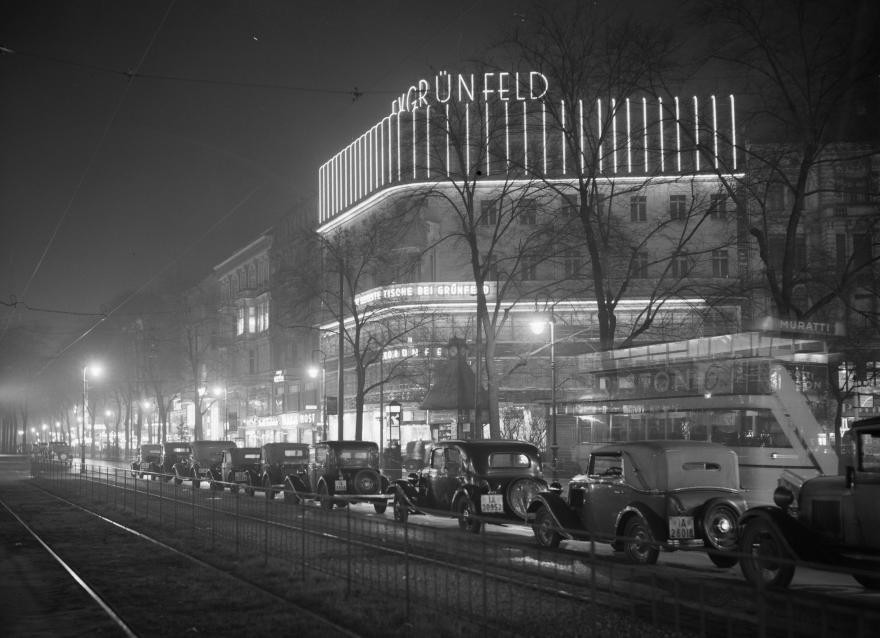
Kurfürstendamm
Usually shortened to Ku’damm, it was one of Berlin’s grandest boulevards packed with cafés, theaters, cinemas, fashionable shops, restaurants, and nightlife. It was also strongly associated with Berlin’s Jewish cultural and commercial life. It suffered heavy damage during the War, but reclaimed its former glory under West Germany.
Image Credit: Nationaal Archief. Unedited.
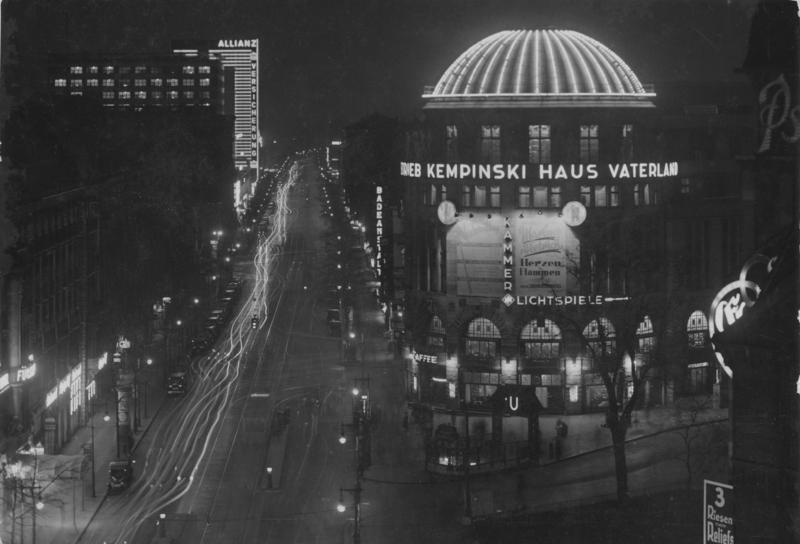
House Vaterland
Owned by the Kempinski Company, this establishment was a 5-floor entertainment venue. Major attractions included: a Bavarian-style beer hall; a Wild West bar, Turkish Cafe, and numerous other bars and restaurants. It was badly damaged in the bombings and demolished after the War.
Image Credit: Bundesarchiv: Bild 102-13681. Unedited.
 Ordinary Lives, Extraordinary Times
