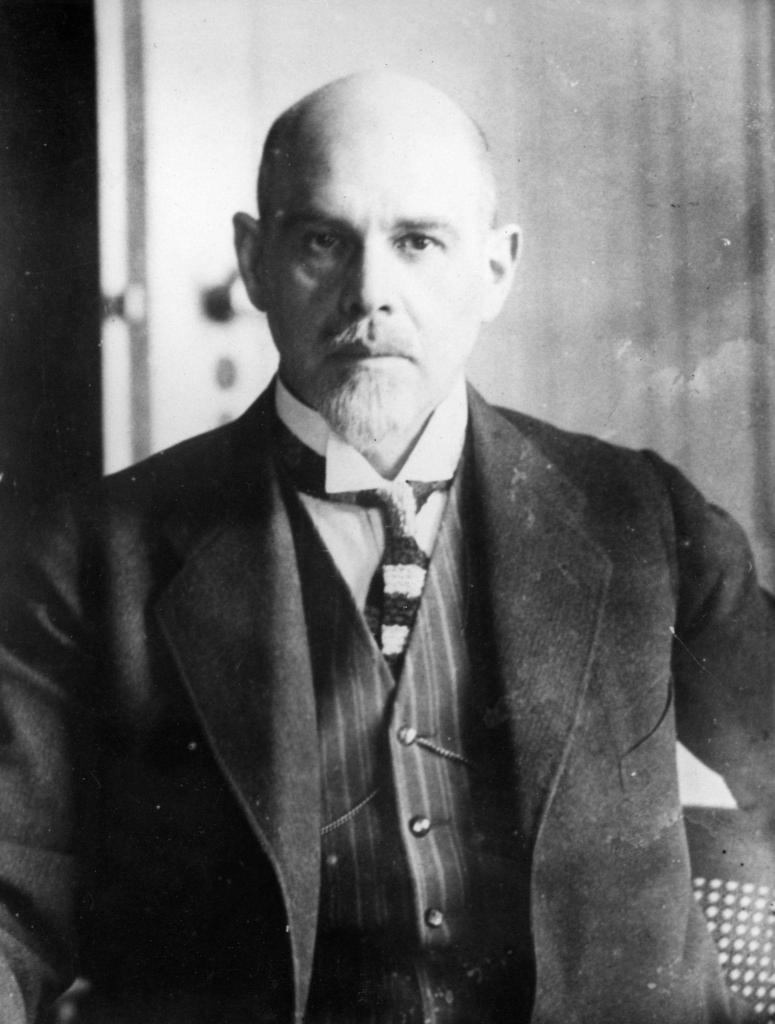
The son of the founder of AEG, Walther Rathenau (1867–1922) was an industrialist, intellectual, and statesman who tried to steer Germany through catastrophe. He helped organize Germany’s raw materials during World War I, creating the War Raw Materials Department to rationalize shortages. He believed modern industrial society required coordination between state and industry; capitalism with a brain.
After 1918, he supported the Weimar Republic and argued Germany must accept the Treaty of Versailles in practice, even if it was unjust. Refusal meant isolation and economic strangulation at the hands of vengeful enemies. He favored “fulfillment” as strategy: comply enough to regain trust, rebuild the economy, and revise the treaty peacefully over time.
As Foreign Minister in 1922, he signed the Treaty of Rapallo with Soviet Russia, normalizing relations and quietly opening paths for economic and military cooperation.
Rathenau wrote widely, including Zur Kritik der Zeit and Von kommenden Dingen, blending cultural criticism with technocratic vision. He wanted a socially responsible, organized economy and Germany reintegrated into Europe. Nationalists hated him because of his Jewish heritage and liberal, pragmatic policies.
He was assassinated in June 1922. Faith in the German currency died two days later.
 Ordinary Lives, Extraordinary Times