
The Spartacus Uprising erupted in Berlin in January 1919. Germany had just lost World War I, the Kaiser had abdicated, and the old imperial system collapsed almost overnight. Workers’ councils, revolutionary groups, and political parties all struggled to shape what the new Germany would become. Among the most radical of these groups was the Spartacus League, led by the Marxist revolutionaries Rosa Luxemburg and Karl Liebknecht. Inspired by the success of the Bolsheviks in Russia, they believed Germany stood on the edge of a socialist revolution.
The immediate spark came when the moderate socialist government dismissed Berlin’s radical police chief, Emil Eichhorn, in early January. Mass demonstrations erupted across the capital. Radical leaders hoped to turn the protests into a revolutionary seizure of power. Workers and militants occupied newspaper offices and public buildings, declaring a general uprising against the Weimar Republic.
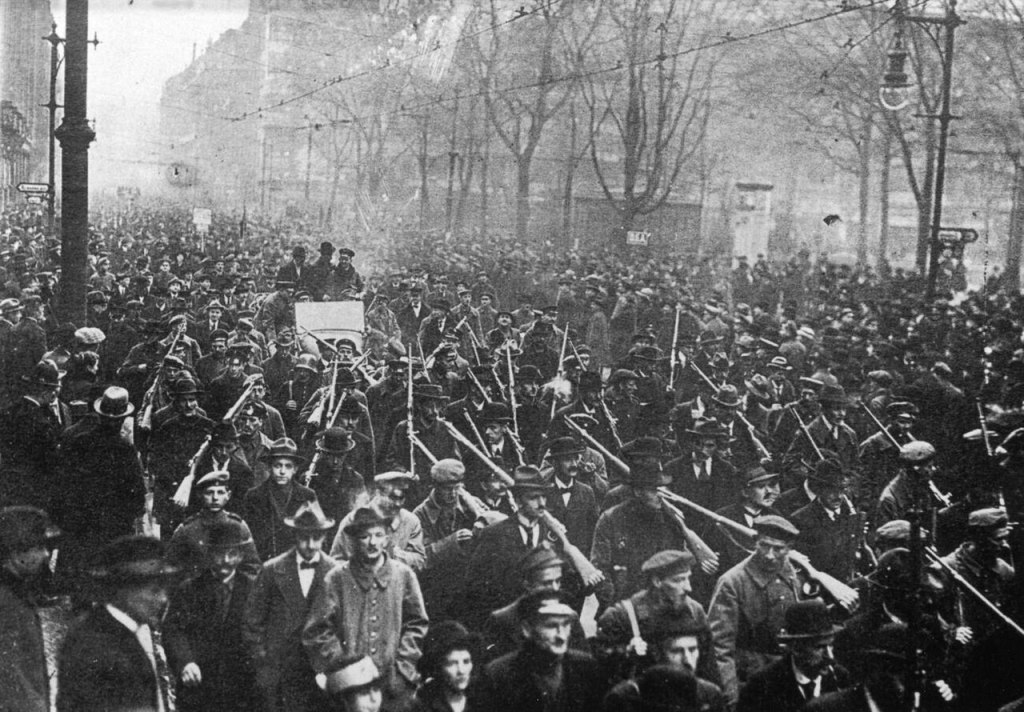
The government responded with force. Lacking a reliable army, the republic’s leaders called upon the remnants of the imperial officer corps and newly formed paramilitary volunteer units known as the Freikorps. These heavily armed nationalist veterans entered Berlin and crushed the uprising in brutal street fighting.
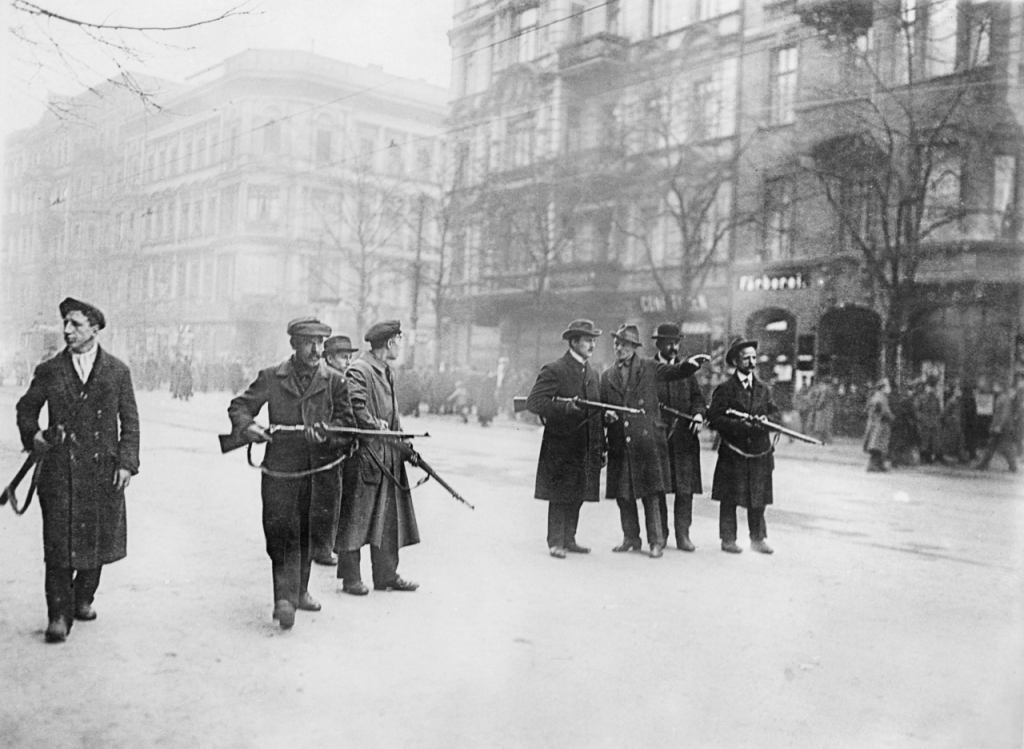
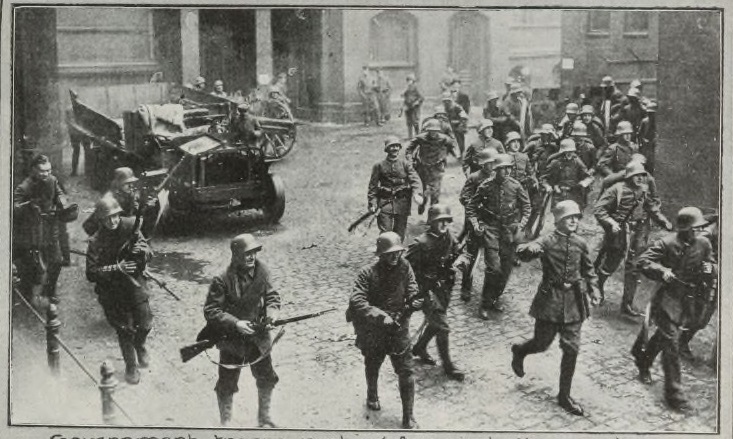
Within days the rebellion collapsed, and many of the revolutionaries were arrested or executed without trial.
The violence reached its grim climax on January 15, 1919. Luxemburg and Liebknecht were captured by Freikorps soldiers, beaten, and murdered. Their deaths transformed them into martyrs of the communist movement.
The suppression of the Spartacist Uprising left a deep scar on German politics. It cemented the bitter hatred between Germany‘s communists and the moderate socialist government and set the stage for the violent ideological battles that would plague the Weimar Republic for the next decade.
 Ordinary Lives, Extraordinary Times