
Karl Marx: A German Legacy
The story of German communism really begins before the party itself existed. In the 1840s, the German states were a laboratory of radical political thought. Industrialization was beginning to uproot old social orders, and young intellectuals were trying to understand why the modern world felt so unstable. Two of them, Karl Marx and Friedrich Engels, developed a theory that history moved through class struggle between workers and owners. They wrote the Communist Manifesto in 1848, imagining a future in which the working class would overthrow capitalism. Germany never experienced the kind of successful workers’ revolution they predicted, but the country became an intellectual incubator for socialist thought. Throughout the late nineteenth century, socialist movements spread through factories, unions, and reading clubs, especially under the umbrella of the powerful Social Democratic Party of Germany.
The Modern Movement
The real birth of the German Communist Party came in the chaos at the end of the First World War. Germany collapsed militarily in 1918, and revolution erupted in the streets. Radical leftists believed the moment had arrived for the kind of workers uprising Marx had predicted. In December 1918, the Communist Party of Germany was founded by revolutionary socialists including Rosa Luxemburg and Karl Liebknecht. They rejected the more moderate SPD government that was trying to build a parliamentary republic and instead called for workers councils to rule Germany along the lines of Soviet Russia.
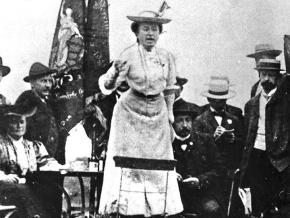
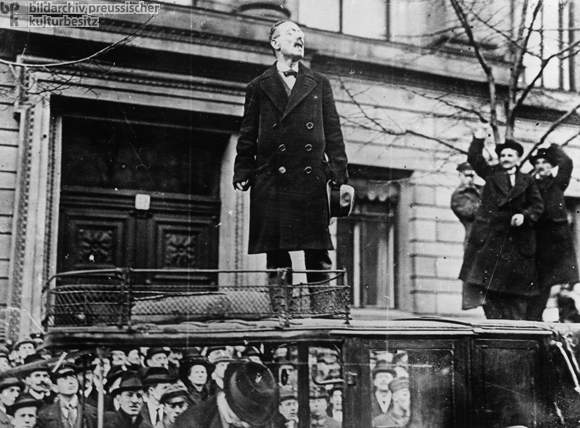
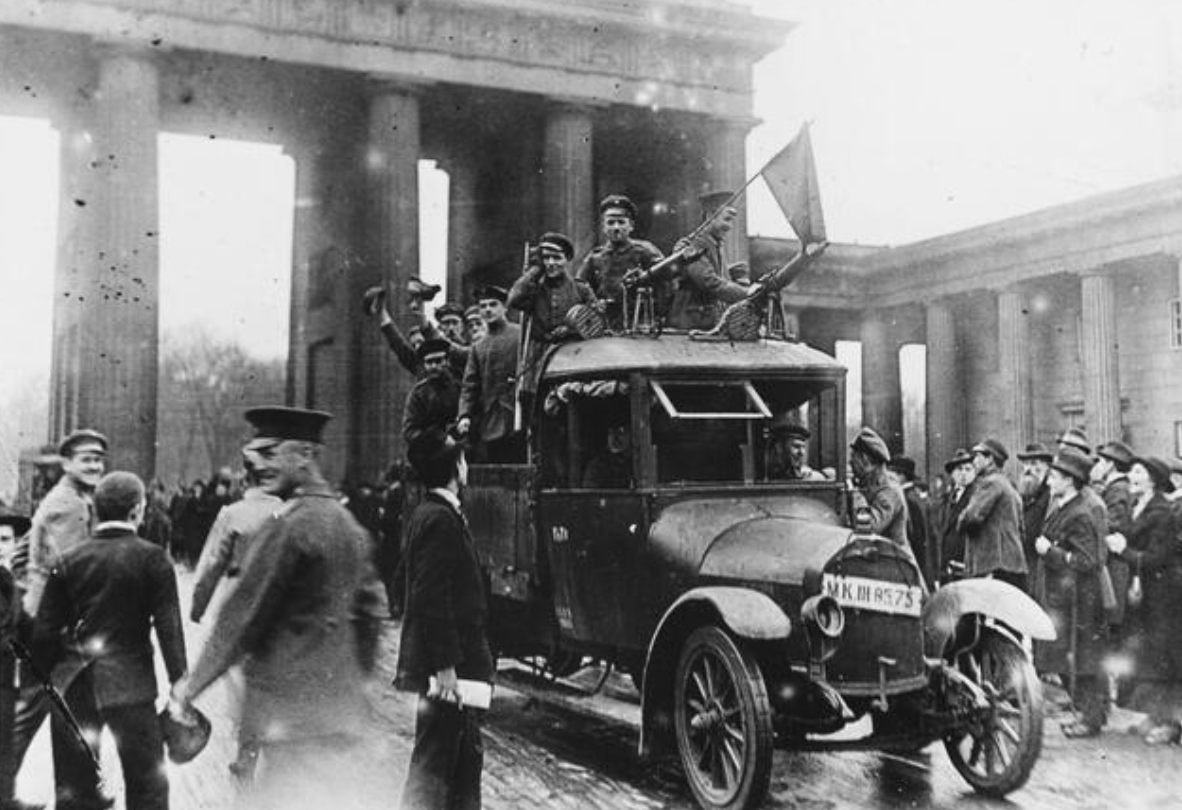
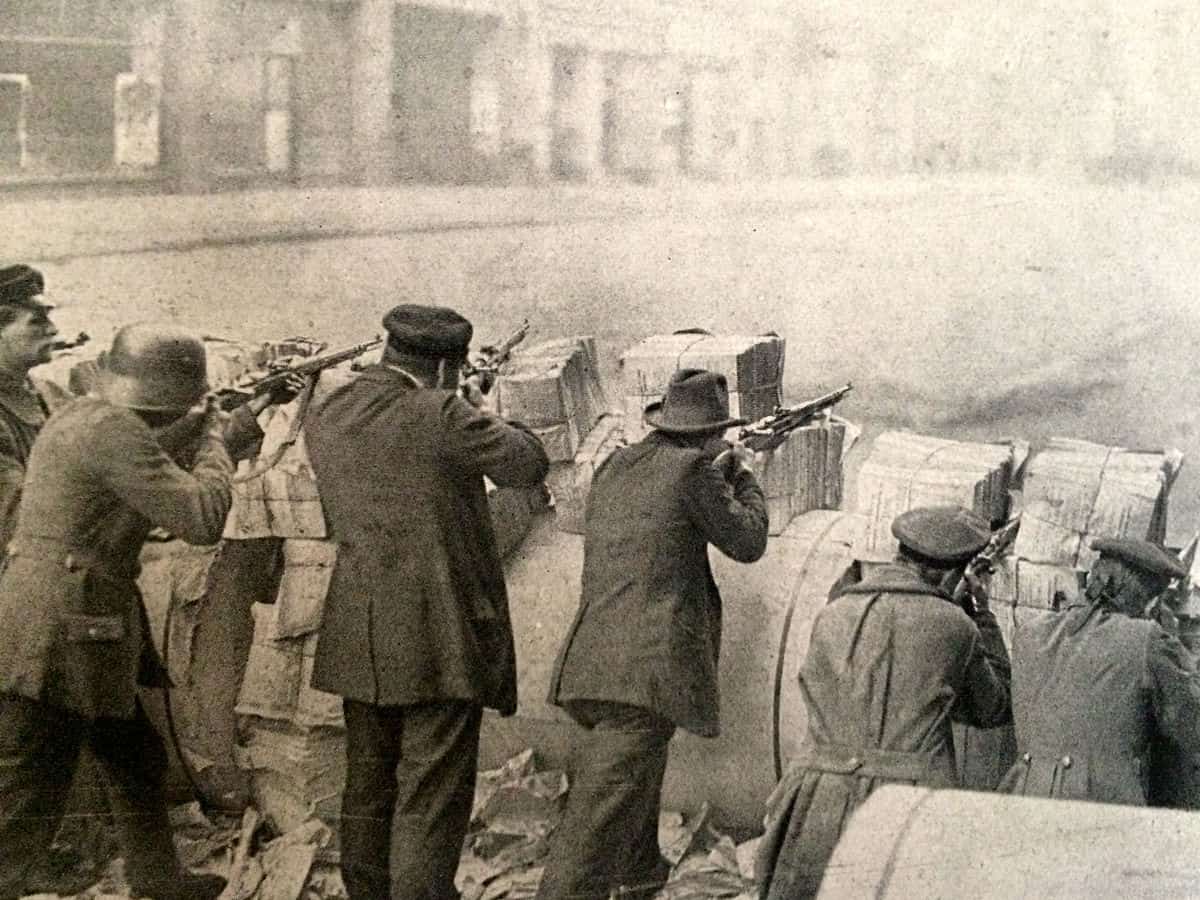
This conflict exploded almost immediately in the Spartacist Uprising in January 1919. Communist militants and radical workers attempted to seize power in Berlin, believing revolution was spreading across Europe. The new Weimar government, terrified of civil war, used right-wing paramilitary units known as Freikorps to crush the revolt. Luxemburg and Liebknecht were murdered, turning them into martyrs for the communist cause. The defeat pushed the KPD into a strange position: legal political party on paper, but revolutionary movement in spirit.

Despite the initial violence, the KPD became one of the largest communist parties outside the Soviet Union in the 1920s. It drew support from unemployed workers, radicalized veterans, and people devastated by hyperinflation and economic collapse. The party maintained close ties with Moscow and the Communist International, which increasingly influenced its strategy. Communists fought street battles with nationalist militias and the growing Nazi movement while also attacking the moderate SPD as “social fascists.” Their long-term goal remained the overthrow of the Weimar Republic and the establishment of a socialist workers’ state, though internal debates constantly swung between revolutionary uprising and parliamentary participation.
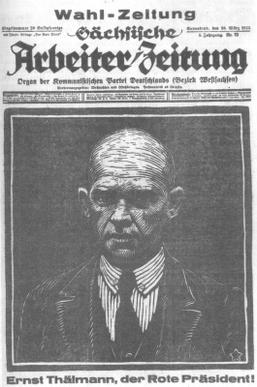
One of the most recognizable communist figures in the final years of the republic was Ernst Thälmann. A former dockworker from Hamburg and a veteran of the First World War, he was the rough, working-class style the Party wanted to project.
Rising through the ranks after the early revolutionary years, he became chairman of the KPD in 1925 and turned it into a disciplined mass movement closely aligned with the Soviet-directed Communist International.
Ernst Thälmann ran for president twice. Second time was in the 1932 election against Paul von Hindenburg and Adolf Hitler. He hoped to rally Germany’s industrial workers behind a revolutionary alternative to both fascism and the inept Weimar establishment. He failed.
Crushed by the Opposition
The end came swiftly after Adolf Hitler became chancellor in January 1933. When the Reichstag Fire broke out in February, the Nazis blamed a communist plot and used the crisis to destroy the party. Communist deputies were arrested, newspapers shut down, and thousands of activists thrown into early concentration camps. Within weeks, the KPD was banned and its organization smashed. Germany’s largest revolutionary movement vanished almost overnight, its surviving members either imprisoned, exiled, or forced underground as the Nazi dictatorship consolidated power.
 Ordinary Lives, Extraordinary Times